
Table of Contents
Introduction
Soybeans are an important food and agricultural crop that have been cultivated and consumed for generations. They are valued for their nutritional content as well as their versatility. The crop can be eaten in different forms, processed into a variety of food products, and used as an agricultural commodity.
In Nepal, soybeans can be cultivated in different regions, from the Terai plains to the hills, depending on local climate, soil conditions, rainfall, and growing seasons. They can be consumed as fresh green soybeans or dried seeds and can also be processed into products such as masyura, tofu, soybean oil, and other soybean-based foods.
Soybean cultivation can also provide benefits to farming households. Farmers may sell fresh green pods or dried soybean seeds, while some of the harvest can be kept for household consumption. Because soybeans have many food and agricultural uses, they can contribute to both food security and household income.
Why Are Soybeans Important?
This crop is important because it can be used in many different ways. A single crop can provide raw material for a wide range of foods and other products.
They can be used to prepare curries, pickles, soups, roasted snacks, and other dishes. They can also be processed into products such as masyura, tofu, soybean-based paneer, and soybean oil.
One of the main advantages of soybeans is their versatility. They can be eaten as fresh green pods, cooked as dried beans, roasted as a snack, or processed into different food products.
Because of these diverse uses, soybeans are valuable not only as a household food but also as an agricultural commodity.
Foods That Can Be Made from Soybeans
This versatile crop can be prepared and consumed in many different ways. Fresh green soybean pods can be cooked and eaten as a vegetable or snack, while dried soybean seeds can be cooked and incorporated into everyday meals.
Some common soybean foods and products include:
- Soybean pickle
- Soybean curry
- Cooked soybean dishes
- Soybean-based soups
- Masyura
- Soy-based paneer
- Tofu
- Soybean oil
- Roasted soybeans
These different uses make soybeans a versatile ingredient for both traditional and modern food preparation.
Roasted Soybeans
Roasted soybeans can be eaten as a simple snack and are particularly popular in some places during the colder months.
The roasted seeds can also be ground into a fine powder and added to lito and other foods. Combining soybeans with grains and other ingredients can be one way of incorporating them into traditional meals.
Nutritional Value of Soybeans
This legume is known for its nutritional value and contains several nutrients that can contribute to a balanced diet. They are particularly recognized as a source of plant-based protein and dietary fiber. They also contain minerals such as iron and other nutrients.
Protein
Protein is an essential nutrient required by the body for normal growth, maintenance, and repair. They can be a useful source of plant-based protein
People who eat little or no meat may include soybeans and other legumes as part of a varied diet to increase their intake of plant-based protein.
Dietary Fiber
Soybeans also provide dietary fiber. Fiber is an important part of a healthy diet and supports normal digestive function.
Including fiber-rich foods such as soybeans, vegetables, fruits, whole grains, and other legumes can contribute to a balanced diet.
Other Nutrients
In addition to protein and fiber, soybeans contain minerals and other nutrients that contribute to overall nutritional intake.
However, no single food provides every nutrient the body needs. Soybeans are best considered as one part of a varied and balanced diet that can also include grains, vegetables, fruits, dairy products, and other legumes.
Soybeans for Children and Older Adults
This food can be included as part of a balanced diet for people of different age groups. They provide protein, fiber, iron, and other nutrients that can contribute to overall nutrition.
For children, soybeans can be cooked properly, ground, and incorporated into foods such as lito or other suitable dishes. Traditionally, different grains and legumes are combined to prepare lito, and soybeans can also be included when appropriate.
When introducing a new food to a young child, the child’s age and individual dietary needs should be considered. Food should be prepared using an appropriate cooking method and texture.
People with a known soy allergy should avoid soybeans and soy-based products. Anyone who experiences possible allergic symptoms after consuming soy should seek appropriate medical advice.
Older adults can also consume them according to their individual dietary needs and health conditions. Thoroughly cooking soybeans until they become soft may make them easier to eat and digest.
Soybean Cultivation
Soybean cultivation depends on several factors, including soil condition, climate, seed quality, water availability, pest and disease management, and appropriate farming practices.
With suitable conditions and proper management, soybeans can be cultivated as a standalone crop or as part of a mixed or intercropping system.
Suitable Soil for Soybean Cultivation
Good-quality, well-drained soil is generally suitable for soybean cultivation. Before planting, farmers should consider the condition of the soil and use fertilizers or other agricultural inputs when necessary.
Good drainage is particularly important because prolonged waterlogging can negatively affect soybean growth and production.
Soybeans are available in different varieties and may have seeds in colors such as black, white, and brown.
Soybeans do not necessarily need to be planted only in a separate field. Depending on the farming system, they may also be grown along field borders, bunds, and other suitable areas.
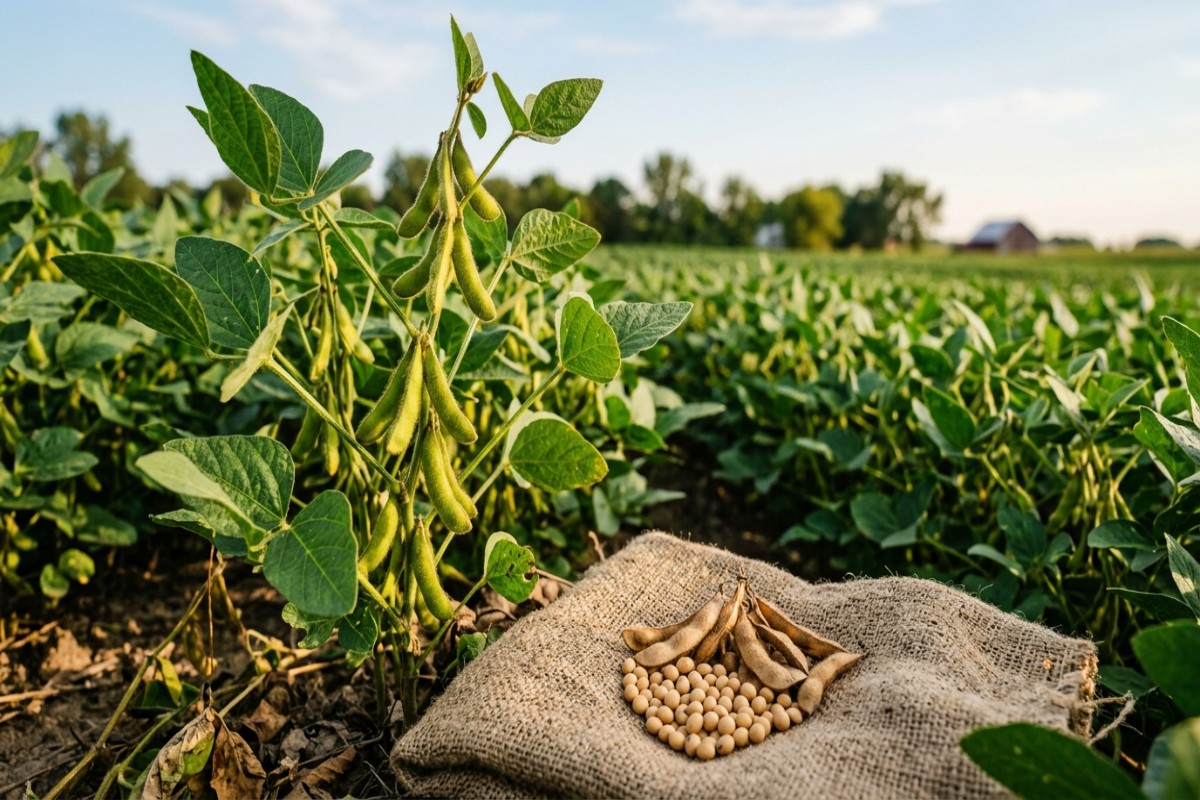
Soybean is a leguminous crop that produces pods containing the seeds harvested for food and other uses.
Planting Season and Climate
Climate plays an important role in soybean cultivation. The best planting time varies according to location, rainfall, temperature, and local growing conditions.
In many areas, soybeans are cultivated during the rainy season when rainfall provides sufficient natural moisture. Under these conditions, additional irrigation may be limited.
When soybeans are grown during periods of low rainfall or in the dry season, irrigation may be necessary depending on soil moisture and weather conditions.
The crop needs sufficient moisture for healthy growth, but excessive water accumulation should be avoided.
How to Plant Soybeans
The crop is generally planted directly by placing seeds in prepared soil. The appropriate planting method depends on the farming system, soil, climate, seed quality, and local agricultural practices.
Selecting good-quality seeds is an important step in achieving healthy plant growth and good production.
The crop can be cultivated as a standalone crop or together with other crops such as maize. Some farmers use mixed or intercropping systems in which maize and soybeans are grown in the same field.
When using an intercropping system, farmers should consider appropriate spacing, planting time, and crop management practices according to local conditions.
Water Requirements for Soybean Cultivation
The amount of water required for soybean cultivation depends largely on rainfall, soil moisture, temperature, and the stage of crop growth.
These crops grown during the rainy season may receive sufficient moisture from rainfall. However, irrigation may be necessary when rainfall is inadequate.
During dry periods, farmers should monitor soil moisture and provide irrigation when required.
Although adequate moisture is important for crop growth, water should not be allowed to remain stagnant around the plants for extended periods. Good drainage is therefore an important part of soybean cultivation.
Pest and Disease Management
Various insects and diseases can affect soybean leaves, stems, pods, and other parts of the plant. Farmers should regularly inspect their fields throughout the growing season.
When insects or disease symptoms appear, the actual pest or disease should be identified before selecting a control method. Applying pesticides without knowing the cause of a problem may be ineffective and can create unnecessary risks.
Where necessary, farmers should seek advice from an agricultural technician or another qualified agricultural professional before selecting an appropriate control method or pesticide.
Using integrated and timely pest-management practices and avoiding unnecessary pesticide applications can help protect crops, people, and the environment.
Harvesting Soybeans and Removing the Seeds
Soybean plants produce pods containing the seeds. As the crop matures, the plants and pods gradually become dry.
When the crop reaches the appropriate stage of maturity, the plants can be harvested and dried.
After the harvested plants and pods have dried sufficiently, the soybean seeds can be separated from the pods. The seeds should then be cleaned and dried properly before storage.
Properly dried soybean seeds can be stored for an extended period under suitable conditions. This can give farmers greater flexibility when deciding when to sell their produce.
How to Store Soybeans Properly
Proper drying is essential when storing soybeans for a longer period.
If soybean seeds are stored in damp or humid conditions, they may develop mold or deteriorate. Seeds should therefore be thoroughly dried before storage.
Soybeans should be kept in a clean, dry place protected from moisture and water. Suitable storage conditions can also help reduce the risk of insect infestation and spoilage.
Proper storage helps maintain soybean quality and allows the seeds to remain usable for a longer period.
Economic Benefits of Soybean Cultivation for Farmers
Soybean cultivation can provide farmers with different opportunities to generate income.
The crop can be sold as fresh green pods as well as dried seeds. When properly dried and stored, soybeans may be kept for some time, giving farmers greater flexibility in deciding when to sell their harvest.
Soybeans can also be processed into products such as soybean oil, masyura, and tofu. This creates opportunities not only for selling raw soybeans but also for producing and selling value-added food products.
Farmers can keep part of their harvest for household consumption and sell the remaining production for income.
For this reason, the crop can serve both as a food crop and as a potential source of additional household income.
The Effect of Soybeans on Soil
Soybeans are a leguminous crop and have agricultural importance beyond their use as food.
Leguminous plants form associations with certain microorganisms around their roots. These relationships are involved in the nitrogen cycle and can contribute to soil fertility and crop production systems.
For this reason, including soybeans in crop rotations or growing them alongside other crops can be useful as part of a broader soil-management strategy.
However, growing soybeans alone does not provide everything necessary to maintain soil fertility. Farmers should monitor soil conditions and use appropriate fertilizers, organic matter, and other soil-management practices when necessary.
Use of Soybeans in Animal Feed
Soybeans are used not only as food for humans but also in animal and poultry feed.
Because soybeans contain protein, soybean-derived ingredients are commonly used as components of feed formulations for livestock and poultry.
Processed soybean ingredients may be incorporated into feed for cattle, buffalo, chickens, and other farm animals.
Appropriate processing and quantity are important when using soybean products in animal feed. Feed should be formulated according to the animal’s species, age, nutritional requirements, and overall diet.
Possible Disadvantages and Precautions
Although soybeans are nutritious and can be part of a healthy diet, they may not be suitable for everyone in the same way. As with other foods, they should be consumed in appropriate amounts and prepared properly.
Some people may experience digestive discomfort, including bloating or gas, after consuming soybeans, particularly in larger amounts. People who experience persistent problems should consider whether soybeans are suitable for them and seek professional advice when necessary.
Soy allergy is another important consideration. People with a known soy allergy should avoid soybeans and soy-based products.
Soybeans should also be properly cooked or processed before consumption. Eating large quantities of raw or inadequately cooked soybeans is not recommended.
Consumers should also remember that different soybean-based products can have very different nutritional profiles. Some processed products may contain significant amounts of salt, sugar, or added fat. Checking the ingredients and nutrition information can therefore be useful when choosing packaged soybean products.
Soybean cultivation also has challenges. Unfavorable weather, excessive water, inadequate crop management, pests, and diseases can reduce production. Regular field inspection and timely management can help farmers respond to these problems.
Conclusion
Soybeans are valuable crops with importance in food, nutrition, agriculture, and farming communities. They can be used to prepare a wide range of foods and products, including curries, pickles, cooked soybean dishes, masyura, tofu, roasted soybeans, and soybean oil.
Soybeans provide plant-based protein, dietary fiber, iron, and other nutrients, making them a useful addition to a varied and balanced diet when consumed appropriately.
For farmers, soybean cultivation can provide both food and income. Soybeans can be sold as fresh green pods or dried seeds and can also be processed into value-added products.
They can be cultivated as a standalone crop, grown together with crops such as maize, or planted in other suitable areas depending on the local farming system.
Good-quality seeds, suitable soil, appropriate water management, pest and disease control, and proper cultivation practices can help farmers achieve better production. Proper drying and storage can also help preserve soybean seeds and provide greater flexibility when selling the harvest.
Overall, soybeans are valuable not only as a food source but also for their nutritional, agricultural, and economic importance. Understanding their uses, nutritional value, cultivation practices, storage, and precautions can be useful for both farmers and consumers.